
Electrical Engineering
About Department
A B.Tech in Electrical Engineering (EE) is a four-year undergraduate program focusing on power systems, machines, control systems, and electronics. It aims to produce industry-ready professionals with strong technical, ethical, and research skills through rigorous academics and hands-on laboratory experience.
Aims & Objectives
Vision
To impart knowledge, develop skills and prepare graduates in achieving global excellence in Electrical Engineering education, industry and research.
Mission
- To prepare engineering graduates with deep understanding of fundamentals of Electrical Engineering.
- To prepare professionals with good technical skills, positive attitude and ethical values.
- To collaborate with industry, research organisations and academia to encourage creativity and innovation.
- To provide them a platform for developing new products and systems that can help industry and society as a whole.
Graduate Attributes - Program Outcomes
Engineering Graduates will be able to apply:
- Engineering Knowledge: Apply the knowledge of mathematics, science, engineering fundamentals, and an engineering specialization to the solution of complex engineering problems.
- Problem Analysis: Identify, formulate, review research literature, and analyze complex engineering problems reaching substantiated conclusion using first principles of mathematics, sciences, and engineering sciences.
- Design/development of solutions: Design solutions for complex engineering problems and design system components or processes that meet the specified needs with appropriate consideration for the public health and safety, and the cultural, societal, and environmental considerations.
- Conduct investigations of complex problems: Use research-based knowledge and research methods including design of experiments, analysis and interpretation of data, and synthesis of the information to provide valid conclusions.
- Modern tool usage: Create, select, and apply appropriate techniques, resources, and modern engineering and IT tools including prediction and modelling to complex engineering activities with an understanding of the limitations.
- The engineer and society: Apply reasoning informed by the contextual knowledge to assess societal, health, safety, legal and cultural issues and the consequent responsibilities relevant to the professional engineering practice.
- Environment and sustainability: Understand the impact of the professional engineering solutions in societal and environmental contexts, and demonstrate the knowledge of, and need of sustainable development.
- Ethics: Apply ethical principles and commit to professional ethics and responsibilities and norms of engineering practice.
- Individual and team work: Function effectively as an individual, and as a member or leader in diverse teams, and in multidisciplinary settings.
- Communication: Communicate effectively in complex engineering activities with the engineering community and with society at large, such as, being able to comprehend and write effective reports and design documentation, make effective presentations, and give and receive clear instructions.
- Project management and finance: Demonstrate knowledge and understanding of the engineering and management principles and apply these to one's own work, as a member and leader in a team, to manage projects and in multidisciplinary environments.
- Life-long learning: Recognize the need for, and have the preparation and ability to engage in independent and life-long learning in the broadest context of technological change.
Program Specific Outcomes
- Graduates will demonstrate their knowledge in effective implementation during their practice of profession of Electrical Engineering with due regard to environment and social concerns.
- Graduates will demonstrate their knowledge in analysis, design, erection and laboratory experimentation regarding Electrical Engineering.
- Graduates will be motivated for continuous self learning in engineering practice and pursue research in advanced areas of Electrical Engineering in order to offer engineering services to the society, ethically.
Program Education Objectives (B.Tech)
- To train the students of Electrical Engineering program so that they can work with government or private sector companies responsible for development of power sector & prove themselves in electrical maintenance for the industry.
- To train students of Electrical Engineering program who can contribute to teaching profession, research & development by pursuing higher studies.
- To train students of Electrical Engineering program in a manner that they should function effectively in the multicultural and multidisciplinary groups in their practice of Electrical Engineering profession.
HOD Message
Electrical Engineering department is a center of preeminence where we nurture young talents by imparting technical training to them so that they can take up the challenges of real world. The Department of Electrical Engineering was incepted in the year 2026 with intake capacity of 60 students and is affiliated to Jharkhand University of Technology (JUT).
The department is a blend of experienced and well qualified faculty who always strives to raise and encourage the teaching methodology that is both theoretical and practical in approach. The focus of the department is to produce quality and professional engineers to cater the needs of the society. We emphasis team work to give opportunity to each student to benefit from the ideas and innovations from the faculty as well as peers.
This orientation has led to successful placement of the graduates of the department in various renowned public and private concerns like PSPCL, GVK Power, Michigan Tyres, Tata Consultancy Services, Indian Navy etc. The Department has well equipped laboratories like Basic Electrical and Electronics, Electrical Machines, Power Electronics, Power System, Electrical Workshop, Electronics Measurement and Instrumentation, Control System and Project lab to meet the curriculum.
Mr. Anup Kumar Mahto
HOD, Electrical Engineering Department
Facilities
The department of Electrical Engineering is one of the Best Electrical Engineering Colleges in Jharkhand (India). EE department in PRIT consists of various labs which are well equipped with modern infrastructure, so that the practical aspects can be understood by the students.
Power System Steady State Analysis Lab
Power system problems, power system load flow studies, forecasting & unit Commitment, power electronic devices.
Power System Dynamics Lab
Single machine system, single machine system using models, Development of Simulink model for excitation system using MATLAB.
Power System Protection Lab
Power system protection through feeders, transformer protection, reverse power and induction relay.
Power Electronics Applications to Power Systems
Performance of thyristor, converters and inverters, Applications of power electronics in operation of power system.
Smart Grids Lab
Smart grid structure, microgrid, Understand power quality issues in smart grid.
Artificial Intelligence Lab
Applications of artificial intelligence techniques, designing of control system using these techniques, Customization of controlling variables.
Department Faculties
Our highly qualified and experienced faculty members:
MR. ANUP KUMAR MAHTO
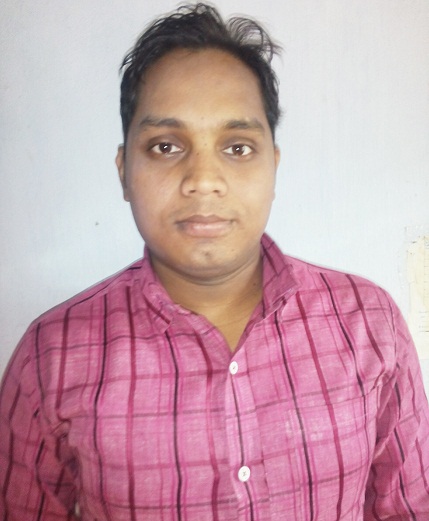
- Designation
- H.O.D.
- Qualification
- M.TECH
- Experience
- 4
- Teaching Area
- ELECTRICAL DEPARTMENT
- Contact
- 8709312289
- anup10ee52@gmail.com
MR. SRIKANT KUMAR MAHATO

- Designation
- Lecturer
- Qualification
- B.TECH
- Experience
- 4
- Teaching Area
- ELECTRICAL DEPARTMENT
- Contact
- 8538988535
- SRIKANT2303@GMAIL.COM
MR. MD. WARIS ALAM
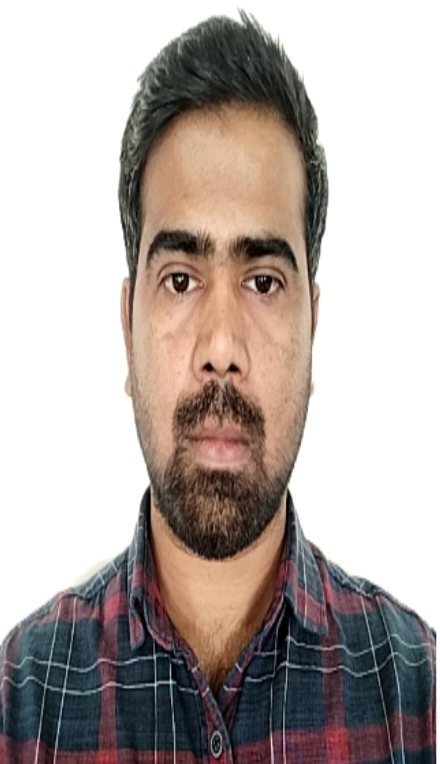
- Designation
- Lecturer
- Qualification
- M.TECH
- Experience
- 2
- Teaching Area
- ELECTRICAL DEPARTMENT
- Contact
- 8050904177
- warisalam02@gmail.com
MR. KHAGESH KUMAR
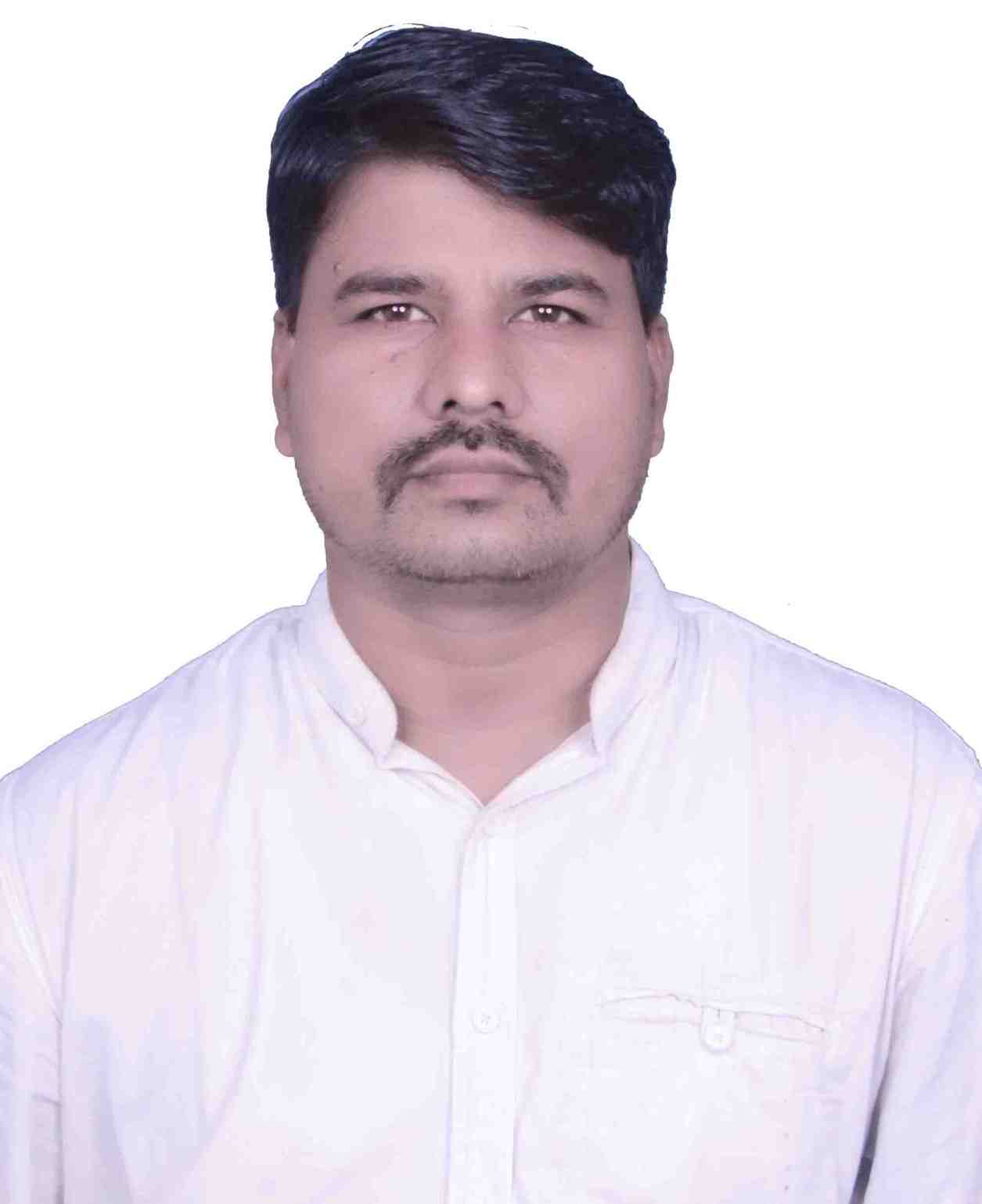
- Designation
- Lecturer
- Qualification
- B.TECH
- Experience
- 5 years
- Teaching Area
- ELECTRICAL DEPARTMENT
- Contact
- 8294433199
- shivs175@gmail.com
MR. JAIDEV MAHATO

- Designation
- Lecturer
- Qualification
- B.TECH
- Experience
- Teaching Area
- ELECTRICAL DEPARTMENT
- Contact
- 9199562255
- jaidevmahato2550@gmail.com
MR. SUSHIL KUMAR

- Designation
- Sr. Lecturer
- Qualification
- M.TECH
- Experience
- 7
- Teaching Area
- ELECTRICAL DEPARTMENT
- Contact
- 8210753784
- nihalraj0007@gmail.com